The questions Denver property owners ask us most often after a fire, a flood, or a storm.
Still Have Questions?
Ask Us Directly
Not every situation fits a general answer. If you are looking at damage right now and are not sure what it means, call and describe it. For background, the overview of fire damage repair in the Denver area walks through the whole process, and each of our services has a page of its own.
Talk It Through
Call or text and reach someone who has walked other property owners through the same thing.
What should I do after a fire damages my property?
Make sure the property is safe and follow directions from emergency responders and relevant authorities. Once it is appropriate to begin recovery planning, document visible conditions and contact a qualified restoration provider to discuss the affected areas and next steps.
Can smoke damage affect areas away from the fire?
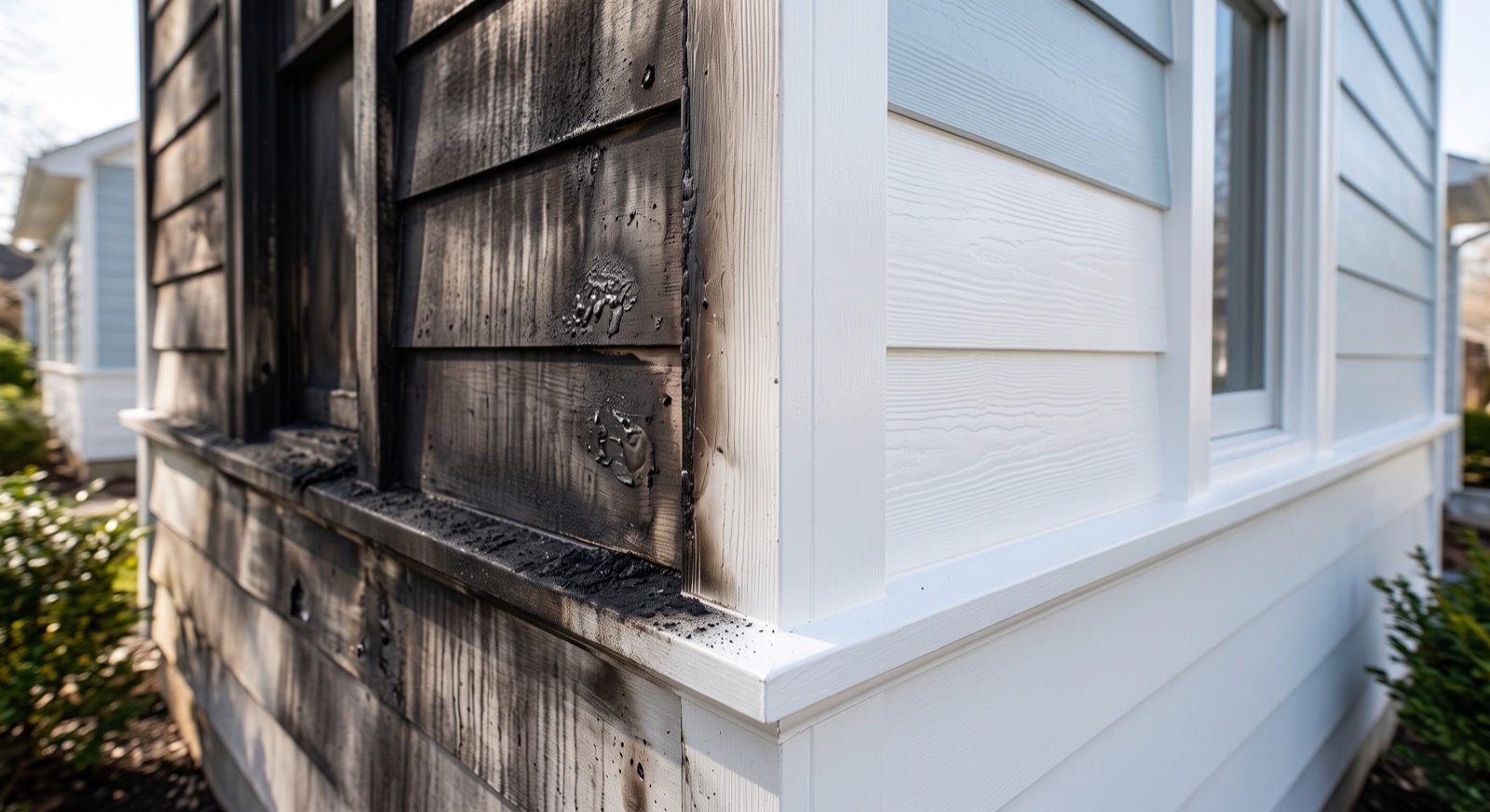
Yes. Smoke and soot can travel through a property and settle on surfaces far from the original fire area. Odors and residue may also affect materials, contents, and ventilation systems.
Why is water damage common after a fire?
Firefighting efforts can leave significant moisture inside a property. That water may affect floors, walls, ceilings, insulation, and other building materials, making timely assessment important.
Do you handle restoration beyond fire damage?
Yes. Denver Fire Damage Restoration also provides smoke damage restoration, water damage restoration, mold remediation, disaster restoration, and storm damage restoration services.
Do you serve communities outside Denver?
Yes. Denver Fire Damage Restoration serves a broad area around Denver and across the Colorado Front Range. Contact us with your town or neighborhood to discuss service availability.
How much does fire damage restoration cost?
Every property is different. Cost depends on the size of the fire, how far smoke traveled, water left behind by firefighting, the materials affected, and the scope of reconstruction. An on-site assessment is the only reliable way to discuss a specific number.
How soon should restoration work begin after a fire?
As soon as the property is safe to enter and the relevant authorities have released it. Soot becomes more difficult to remove over time, and water left from firefighting can begin affecting materials within a day or two. Early assessment gives you more options.
Do you work with insurance companies?
Denver Fire Damage Restoration documents conditions, affected areas, and the recommended scope of work in a form that can be shared with your insurer. Coverage decisions are between you and your insurance company, and we do not represent you in that process.
Can I stay in my home during restoration?
It depends on the extent of the damage, the areas affected, and whether utilities and safe access are available. Denver Fire Damage Restoration will discuss the specific conditions at your property so you can make an informed decision.
What happens to my belongings?
Affected contents are inventoried and evaluated. Some items can be cleaned on site, some benefit from specialized off-site cleaning, and some are documented as unrecoverable. Denver Fire Damage Restoration keeps a record throughout.
Do you handle the rebuild, or only the cleanup?
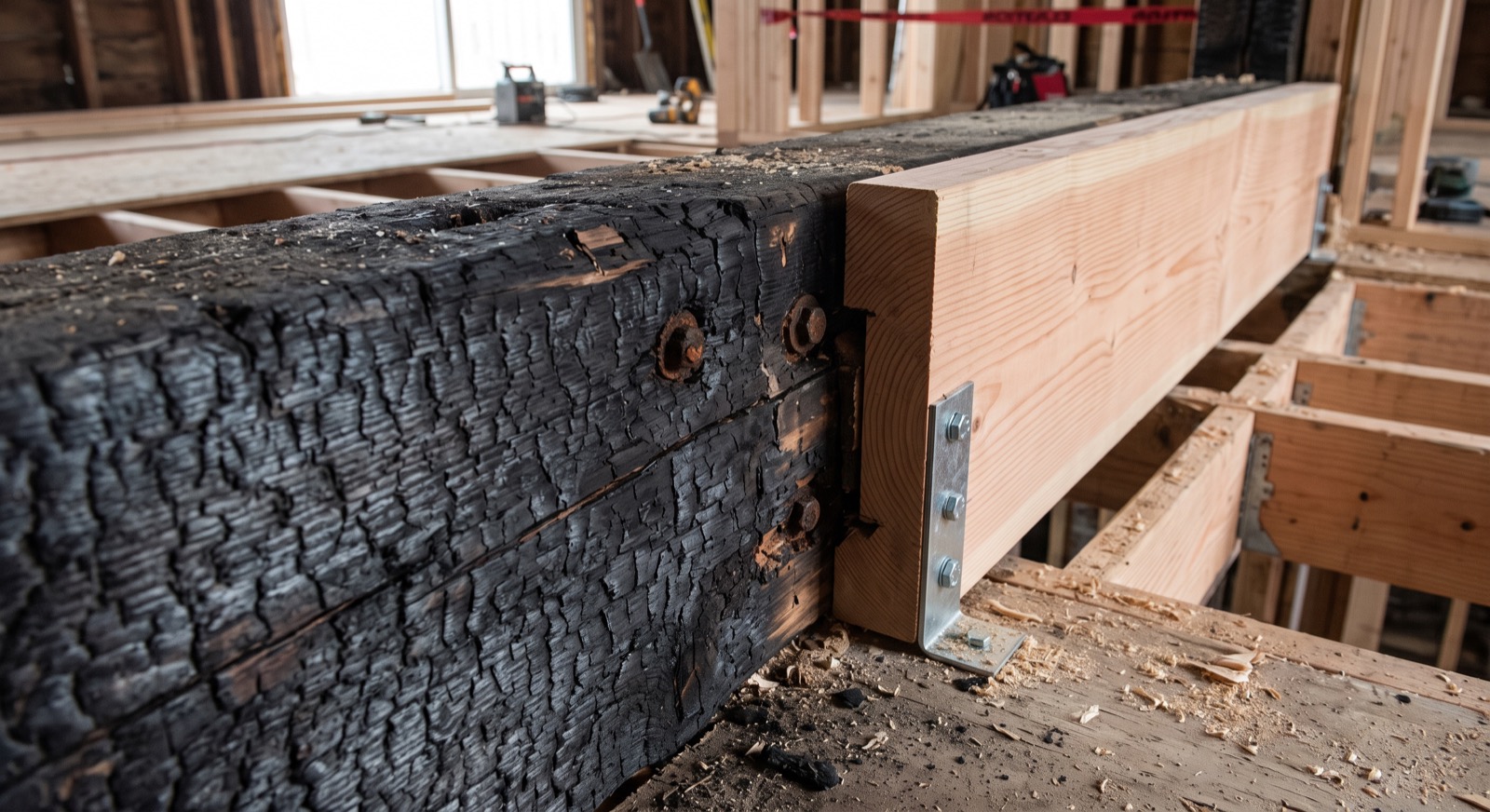
Both. The Denver Fire Damage Restoration process runs through structural repairs, drywall, painting, final details, and odor-blocking primer, the reconstruction that returns the property to use.
How long does fire damage restoration take?
It ranges from a few days for limited smoke cleanup to several months for a major loss with full reconstruction. After an on-site assessment we can give you a realistic timeline for your property.
What areas do you serve?
Denver and more than thirty communities across the Colorado Front Range, including Aurora, Lakewood, Boulder, Littleton, Castle Rock, Golden, and Evergreen. If your town is not listed, contact us and ask.
Free, No Obligation
Contact Us Today for a Free Estimate
Describe the damage and we will tell you what restoration work applies and what happens next.